7 Most Rattlesnake Infested Areas in Texas
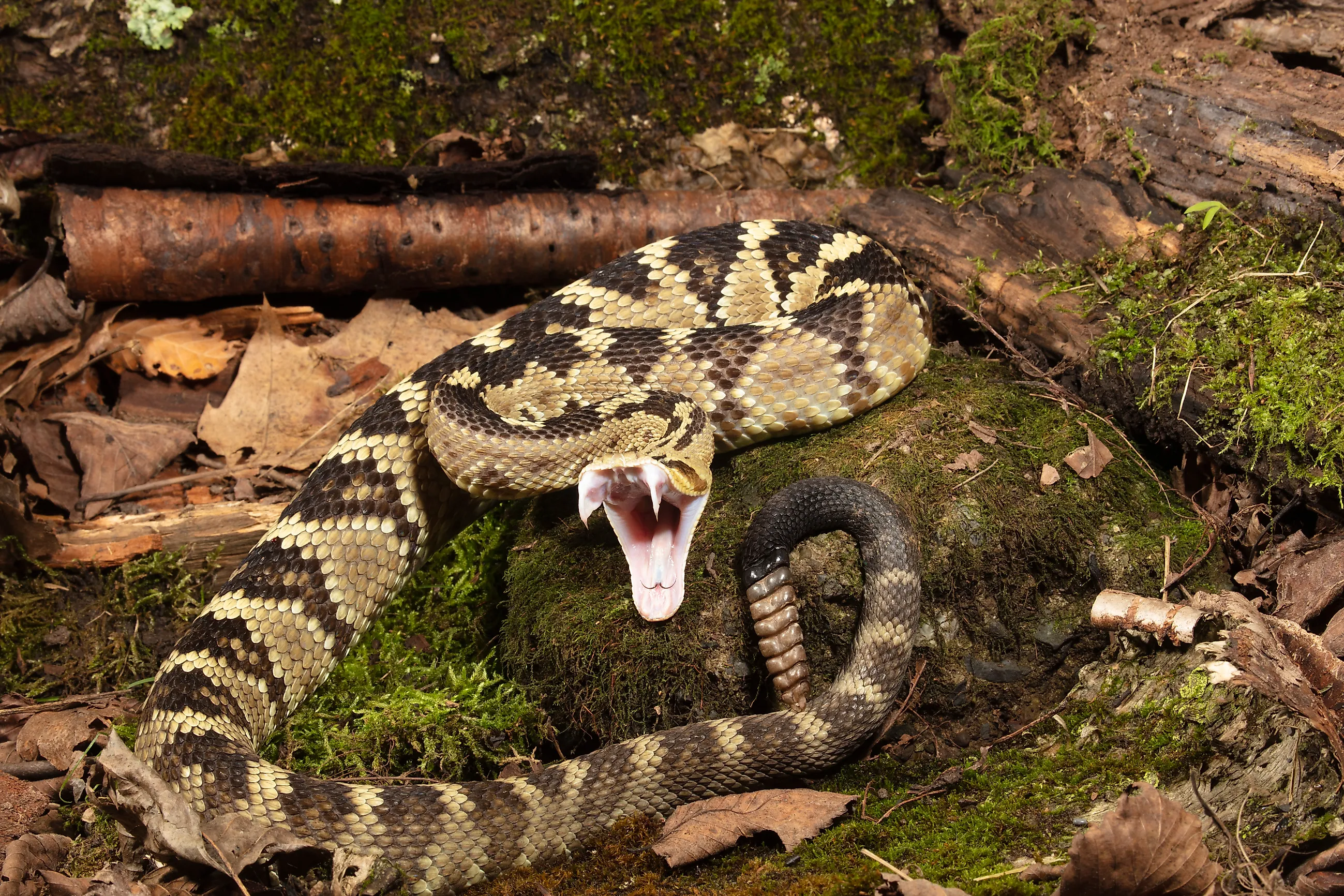
Texas has the space, heat, and habitat variety that rattlesnakes need, which is why the state supports six native rattlesnake species across deserts, canyons, mountains, and river corridors. The seven outdoor areas below stand out for consistently strong rattlesnake presence, from western diamondbacks in rocky brush to rock rattlesnakes tucked into steep, broken terrain. In places like Palo Duro Canyon and Enchanted Rock State Natural Area, the right mix of shelter, prey, and terrain keeps snakes active and well hidden. This list highlights 7 of Texas's rattlesnake hotspots.
Palo Duro Canyon

Known as the "Grand Canyon of Texas," Palo Duro's dramatic walls and hidden grottos provide the ideal habitat for western diamondback and prairie rattlesnakes. The canyon's red rock cliffs and numerous erosional features create endless denning sites, while the prairie dog towns that dot the canyon floor ensure abundant prey. Western diamondbacks particularly favor the rocky ledges and brush-filled arroyos, while prairie rattlesnakes concentrate in the grassier upper regions.
The complex network of side canyons and rock shelters offers perfect winter denning sites, particularly in south-facing locations where the afternoon sun warms the rocks. Both species are frequently encountered along popular hiking trails, especially during daylight hours when they move between hunting and shelter areas. Visitors should stick to established trails and avoid reaching into rock crevices or dense vegetation. The Spanish Skirts area and Lighthouse Trail are particular hotspots during spring and fall, so consider exploring these areas during midday when snakes are less active.
Big Bend National Park

Big Bend's varied terrain harbors black-tailed and rock rattlesnakes from the desert floor to mountain peaks. The Chisos Mountains provide an ideal habitat for rock rattlesnakes, which favor the higher, cooler elevations with their numerous boulder fields and oak-pine woodlands. Black-tailed rattlesnakes thrive in the lower desert regions, particularly in areas where rocky outcrops meet desert grassland.
These species frequently concentrate around the park's desert springs and seasonal water sources, taking advantage of the increased prey activity. The complex geology creates perfect denning sites in rock fissures and beneath large boulders. The Window Trail and Lost Mine Trail areas see frequent rattlesnake activity, especially during spring breeding season. Hikers should avoid dawn and dusk hikes in these areas and maintain at least 15 feet of distance if encountering a snake.
Enchanted Rock State Natural Area

The large pink granite dome and its surrounding area form a surprisingly dense habitat for rattlesnakes. Numerous cracks and crevices in the granite surface enable Western diamondbacks and black-tailed rattlesnakes to thrive. The dome's exfoliation patterns produce sheet-like layers that offer ideal shelter, and the vernal pools sustain prey populations throughout the year.
Snakes particularly concentrate in areas where the granite meets vegetation, using these zones for both hunting and shelter. The Echo Canyon Trail and base areas of the main dome see frequent snake activity, especially after rain, when prey becomes more active. When visiting, avoid placing your hands in crevices when climbing, and stay on marked trails. The seemingly bare granite surface contains numerous hiding spots invisible from above.
Davis Mountains

The Davis Mountains serve as vital habitat for banded rock and black-tailed rattlesnakes across various elevation zones. Banded rock rattlesnakes prefer higher altitudes above 6,000 feet, especially in regions with prominent rock outcrops and pine-oak woodlands. In contrast, black-tailed rattlesnakes are found mainly at lower elevations where rocky slopes transition to grasslands. The mountains' many cliff bands and talus slopes provide crucial denning sites for these snakes.
These species frequently utilize the deep canyons and drainages as travel corridors between seasonal habitats. Madera Canyon and Mount Livermore areas have particularly high concentrations of both species. Hikers should watch their step carefully on rocky trails, especially in the early morning or late afternoon. Consider using trekking poles to test brush-covered areas before stepping through.
Lower Rio Grande Valley

The dense thornbrush habitat of the Rio Grande Valley supports substantial populations of western diamondback and southern Pacific rattlesnakes. Its diverse mix of mesquite, acacia, and prickly pear provides excellent hunting areas, while numerous rodent burrows offer shelter. Both species thrive where brushland intersects with open spaces.
The preserve lands along the river corridor experience particularly high snake activity, especially during spring and fall migrations. Santa Ana National Wildlife Refuge and Bentsen-Rio Grande Valley State Park host some of the densest snake populations. When visiting this area, stay on designated paths and avoid tall grass or dense brush. During morning birding, watch carefully for ground movement and nearby vegetation.
Lost Maples State Natural Area

The limestone canyons and clear streams of Lost Maples create ideal conditions for western diamondbacks and also support important populations of Texas coral snakes. The area's combination of rocky outcrops, woodland, and riparian zones offers various hunting opportunities. Western diamondbacks tend to gather along canyon edges where limestone meets maple and oak woodlands. Both the East and West Trail loops pass through key rattlesnake habitats, especially on rocky ledges that serve as basking sites. Even during fall, when visitors come to see the changing leaves, snake activity remains high as they prepare for winter dens. Visitors should watch their step when taking photos of autumn foliage and avoid stepping over logs or large rocks without checking the other side first.
Devils River State Natural Area

The limestone canyons and crystal-clear waters of Devils River provide a wonderful habitat for western diamondback and rock rattlesnakes. Thanks to its secluded location and limited development, the area has kept its natural snake populations healthy. The stunning limestone cliffs and many caves offer perfect hiding spots for these creatures. You'll notice that western diamondbacks especially thrive in the rocky areas above the river, while rock rattlesnakes prefer the steeper canyon walls.
Near the water’s edge, the riparian zones attract many prey animals, making these spots especially appealing to snakes. The rugged terrain offers plenty of basking spots and hiding places along the canyon edges. As you explore the Dan A. Hughes Unit trails, you'll see that they cross through several snake territories, especially where rocky slopes meet water sources. Please be extra careful when you’re near the river, since snakes tend to gather around water access points. Be sure to check carefully for snakes before climbing on riverside rock piles for your safety.
Seven Ecosystems for Six Types of Rattlesnake
These seven Texas locations demonstrate the remarkable ability of rattlesnakes to thrive across diverse habitats. From mountain peaks to river valleys, each area provides unique combinations of shelter, prey, and terrain that support healthy snake populations. While encountering these remarkable creatures can enhance any outdoor experience, maintaining respectful distances and practicing awareness ensures safe coexistence. Always carry a flashlight for night hiking, wear closed-toe shoes, and keep pets leashed in these snake-rich environments.