9 Best Lakeside Towns in the Pacific Northwest
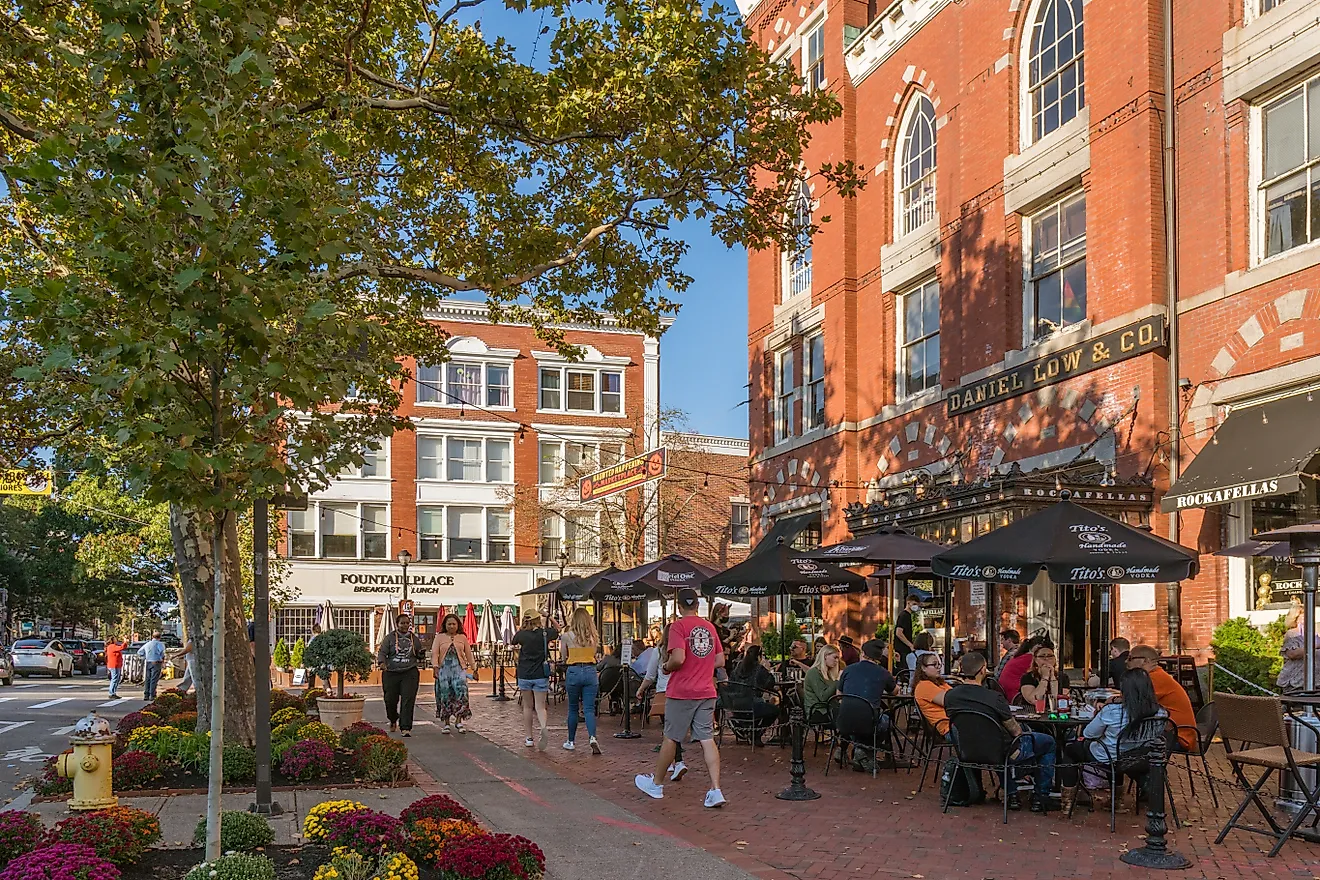
The Pacific Northwest’s lakeside towns reflect the region’s varied terrain, where glacial basins and forested shorelines shaped how communities took hold along the water. Some, like Chelan, grew alongside steamboat routes that once moved timber and supplies across Lake Chelan, while Sandpoint developed as a Northern Pacific rail stop on the edge of Lake Pend Oreille. Others, including McCall, trace their origins to logging operations tied to Payette Lake. Across Washington, Oregon, and Idaho, these nine towns maintain a direct relationship with their waterfront, seen in marinas, public docks, and main streets aligned toward the shoreline.
Sandpoint, Idaho

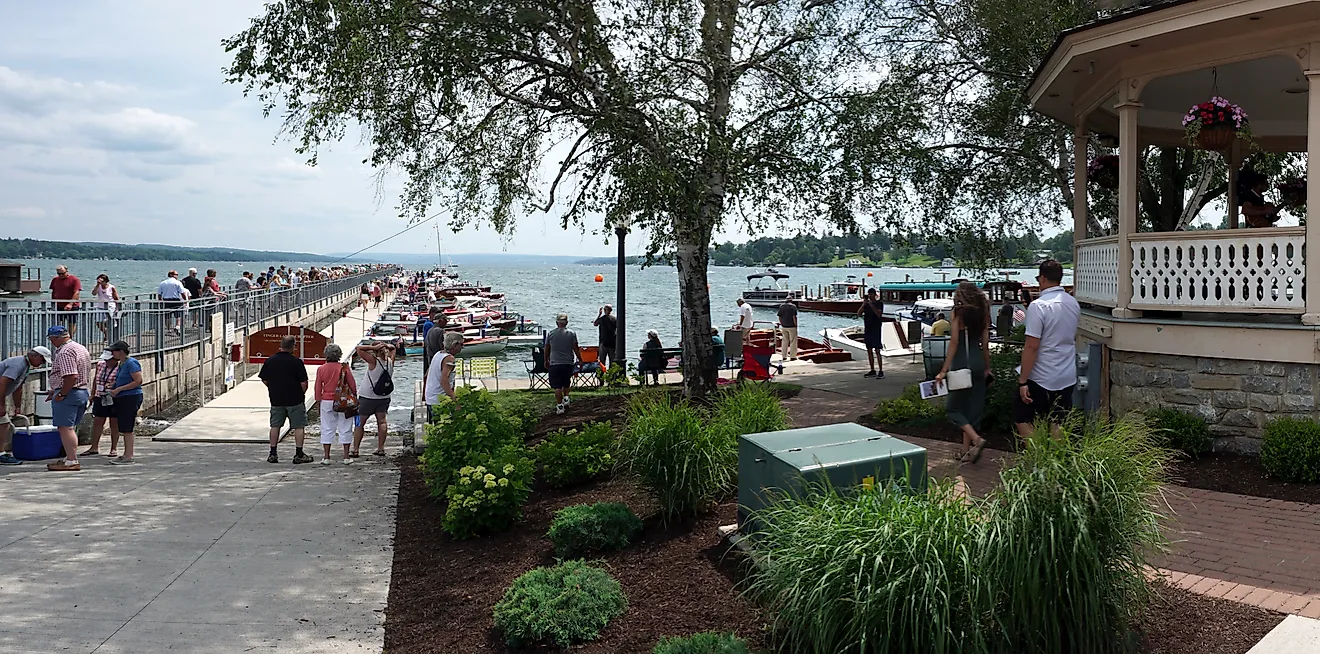
Sandpoint, Idaho’s downtown runs straight into the lake at City Beach Park, where a long swimming beach, a shoreline forested with black cottonwood and quaking aspen, and a public marina sit within a few minutes’ walk of shops like First Avenue Coffee along First Avenue. The adjacent Sandpoint City Dock extends far enough into Lake Pend Oreille to frame views of the Selkirk Mountains, and it functions as both a boat tie-up and a public gathering point. The town’s arts identity is visible in places like the Panida Theater, a restored 1927 venue that anchors local events year-round. Tourism peaks in summer and during ski season at nearby Schweitzer Mountain.
Chelan, Washington

Chelan sits at the narrow southern end of Lake Chelan in Washington state, where the lake transitions into a river-like channel framed by a compact downtown. Don Morse Memorial Park forms the central public shoreline, with docks and a swimming area, while a short walk inland along Woodin Avenue leads to a cluster of satellite tasting rooms representing wineries from across the Lake Chelan Valley. In fact, the town’s identity is tied as much to agriculture as recreation; the surrounding hills support vineyards, including Tsillan Cellars just outside town. The Lady of the Lake ferry departs from the waterfront and connects Chelan to Stehekin at the lake’s remote northern end, reinforcing the town’s role as a gateway rather than an isolated destination.
McCall, Idaho

Located in central Idaho near the western border, McCall’s waterfront is organized around Legacy Park, a broad public lawn and beach that faces Payette Lake and hosts everything from winter ice sculptures during the McCall Winter Carnival to summer swimming and paddle sports. East Lake Street runs parallel to the shoreline and ties together the marina and restaurants like The Salmon River Brewery. The lake itself is unusually integrated into daily routines—residents cross it by boat, fish brook trout within sight of downtown, and use the shoreline paths as regular walking routes. While seasonal summer visitation is significant, skiing at resorts like Brundage in the Salmon River Mountains keeps the town from slipping into a single-season economy.
Coeur d'Alene, Idaho

Coeur d’Alene, in the panhandle of Idaho, has one of the most developed public waterfront systems in the Pacific Northwest. McEuen Park connects directly to Tubbs Hill, a 120-acre natural area with a loop trail that traces the lake’s edge through rocky outcrops and small coves. Just beyond, a continuous promenade runs along the shoreline near Sherman Avenue, linking beaches, docks, and open green space. The Coeur d’Alene Resort anchors the lakefront with its marina and the well-known floating green on its golf course. Despite its larger scale compared to other towns on this list, the lake remains central to daily movement—people jog the waterfront trail, launch kayaks from public ramps, and gather at sunset along the park edges.
Lake Oswego, Oreogn

In Oregon, Lake Oswego’s relationship to its namesake water body is more controlled than most, with much of the shoreline privately managed. What sets this town apart is how it compensates through carefully designed public spaces. Millennium Plaza Park, at the lake’s eastern edge, acts as a civic waterfront with seating terraces, seasonal events, and a direct connection to downtown shops and restaurants like Pizzeria sul Lago, with its wood-fired pies. A network of nearby trails, including sections of the Willamette Greenway along the Willamette River, broadens access to water-based recreation. The commercial core around A Avenue includes bookstores like The Booktique, cafes like AVA Roasteria, and additional local retailers that serve a permanent population.
Detroit, Oregon

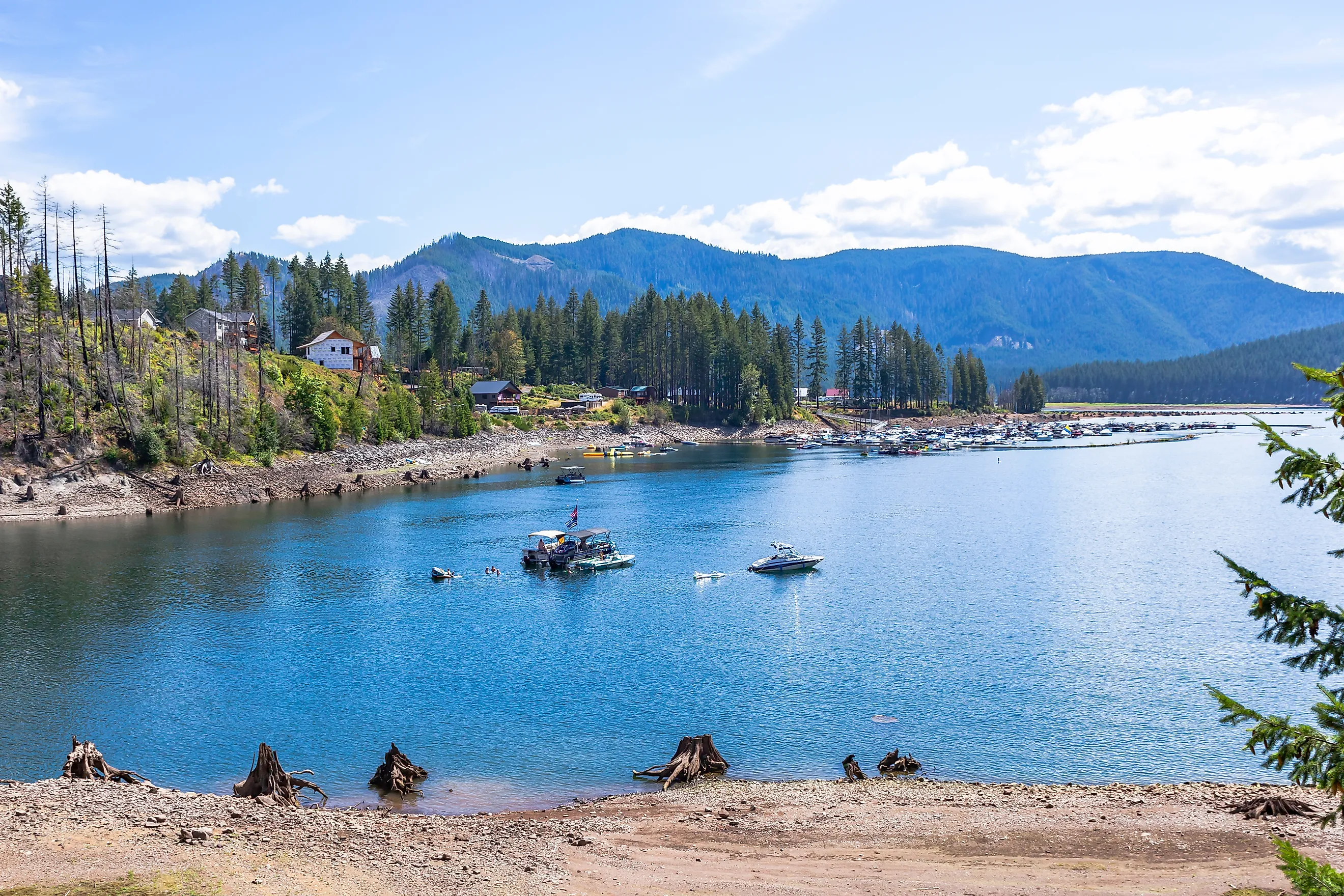
Detroit sits along a major reservoir formed by Detroit Dam in the Cascade Range of Oregon, and its identity is tied closely to that engineered landscape. Detroit Lake State Recreation Area provides extensive public shoreline with boat ramps, year-round camping that includes access to cabins, and day-use areas that extend for miles along the water. The town itself has a modest commercial strip with local businesses like Mountain High grocery store, rebuilt after wildfire damage have reshaped parts of the community. The combination of accessible shoreline and proximity to the Cascade Range keeps Detroit active beyond peak summer months.
Coolin, Idaho

Coolin, Idaho functions as the primary settlement on Priest Lake’s eastern shore, with a marina, small resorts like Elkins Resort, and access points that connect directly to one of the least-developed large lakes in the Northwest. The public beach near the Priest Lake Ranger Station provides one of the clearest entry points to the water, with long stretches of sandy shoreline uncommon in northern Idaho. Local establishments such as the historic Leonard Paul Store still operate as community hubs, serving both residents and visitors. The absence of dense development means that daily life here revolves around seasonal rhythms such as fishing, boating, and forestry rather than a concentrated downtown district.
Roslyn, Washington

Roslyn’s connection to Cle Elum Lake, Washington is indirect but immediate—just a short drive leads to Speelyi Beach, a broad public access area with views across the reservoir toward forested ridgelines. What distinguishes Roslyn is its preserved historic core, where former coal mining buildings now house businesses like Basecamp Books and the Roslyn Brewing Company. The town’s grid of streets remains largely intact from the late 19th century, and that structure supports a year-round population rather than a purely recreational footprint.
Medical Lake, Washington

In Eastern Washington, Medical Lake developed directly along the edge of its namesake lake, where mineral-rich waters drew visitors in the late-19th century seeking therapeutic bathing. Early resort and sanitarium activity established the town’s orientation toward the shoreline, a pattern that remains visible along the lake’s perimeter. Waterfront Park forms the primary public edge, with a continuous path, swimming area, and open lawn set immediately along the water. The 2.9 mile Medical Lake Loop trail offers birding and hiking opportunity, and residential streets extend outward from the lake. The compact layout reinforces a direct and uninterrupted relationship between the town and the water.
Lakeside Towns in the Pacific Northwest Balance Daily Life and Waterfront Access
These nine towns demonstrate that lakeside living in the Pacific Northwest is not defined by Willamette Valley, Cascade Range, Selkirk, and North Rocky mountain scenery alone but by how water access is built in, such as with Sandpoint’s dock-lined downtown and the engineered shoreline of Detroit Lake. Each of these lakes are ideal not just for seasonal recreation but as a full-time residence.