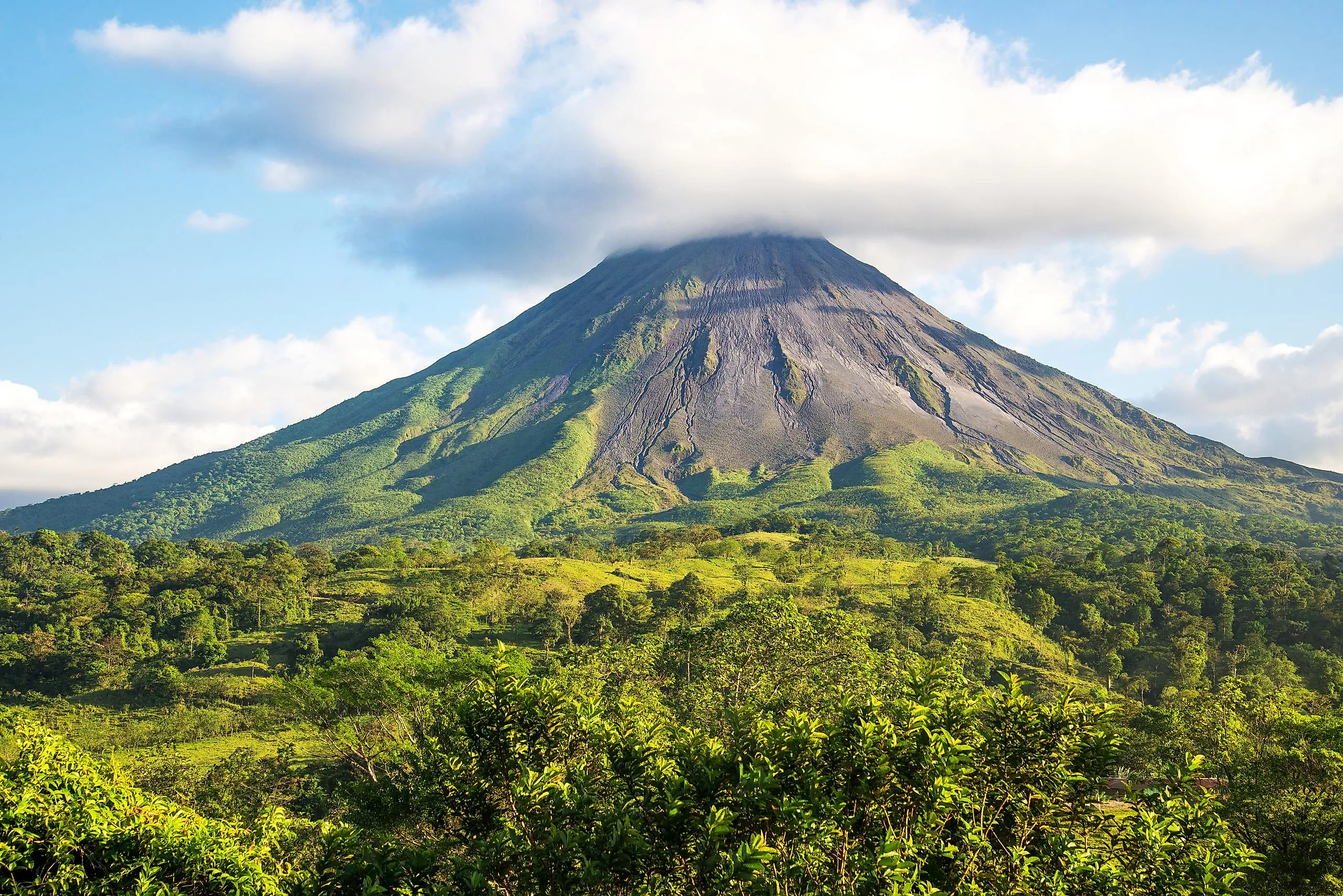
5 Prominent Dormant Volcanoes
- Mount Kilimanjaro, Mount Fuji, Mount Rainier, Mauna Kea, and the Three Sisters are all volcanoes that are dormant and could erupt again.
- Mount Rainier is considered to be one of the most dangerous volcanoes in the US, even though it has not erupted for over 500 years.
- Volcanoes can lie sleeping for thousands of years, and experts study ground movements among other things to try and predict when an eruption will take place again.
Volcanoes can wreak destruction in just minutes. Some, however, lie dormant for years before blowing their top once again.
Volcanoes are formed when two tectonic plates either collide or move apart. Hot magma from the Earth’s mantle rises to the surface and builds a volcano.
Sometimes, a volcano is very active. Mount Etna in Sicily is the world’s most active volcano, with the last major eruptions happening in 1986 and 1999. None have been quite so large as that which happened way back in 1669 however, killing over 20,000 people.
A dormant volcano, meaning 'sleeping' in French, has not erupted recently but is expected to erupt again in the future. In contrast, extinct volcanoes haven't erupted for at least 10,000 years and are unlikely to erupt again.
Which volcanoes on Earth are not yet done expressing themselves? Here are five that are sleeping, but could erupt again in your lifetime, so watch out.
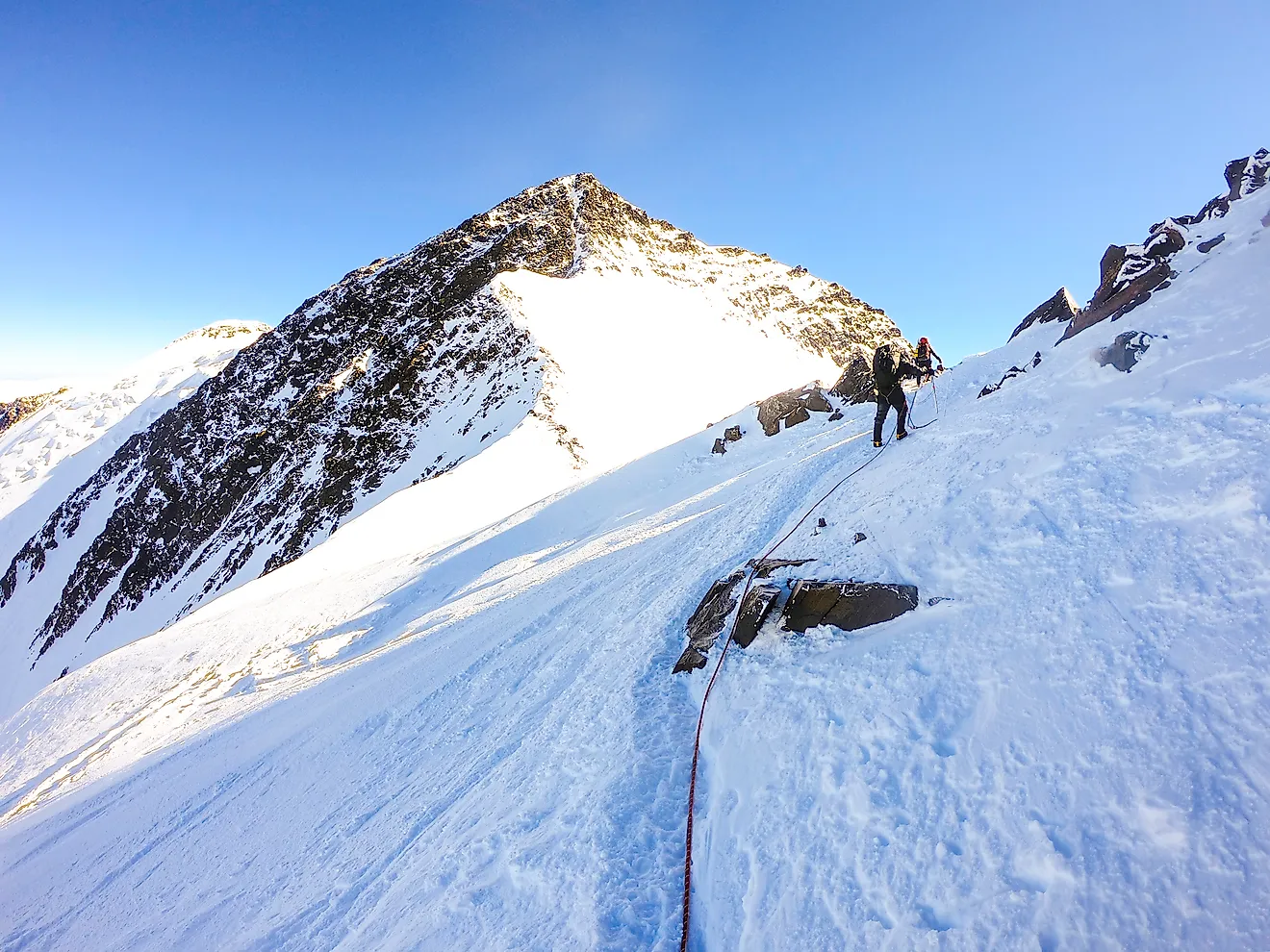
Mount Kilimanjaro

This famous volcanic massif is located in northeastern Tanzania, close to the Kenyan border. Interestingly, while it looks like one large mountain, Kilimanjaro is actually composed of three separate volcanic cones. Two of them—Mawensi and Shira—are extinct. Kibo, the third, is thought to be dormant. Kibo is actually the highest point in Africa rising to 19,340 feet (5,895 metres), and it is the youngest of the three cones.
Kibo is the only cone with a permanent ice cap, meaning it remains there throughout the year and never fully melts.
Kibo’s last major eruption was 360,000 years ago. In this way, it could be due for a major explosion. Kibo did show some volcanic activity as recent as 200 years ago, which sounds like a while ago but in a volcano’s lifetime, it might as well be yesterday.
Mount Fuji

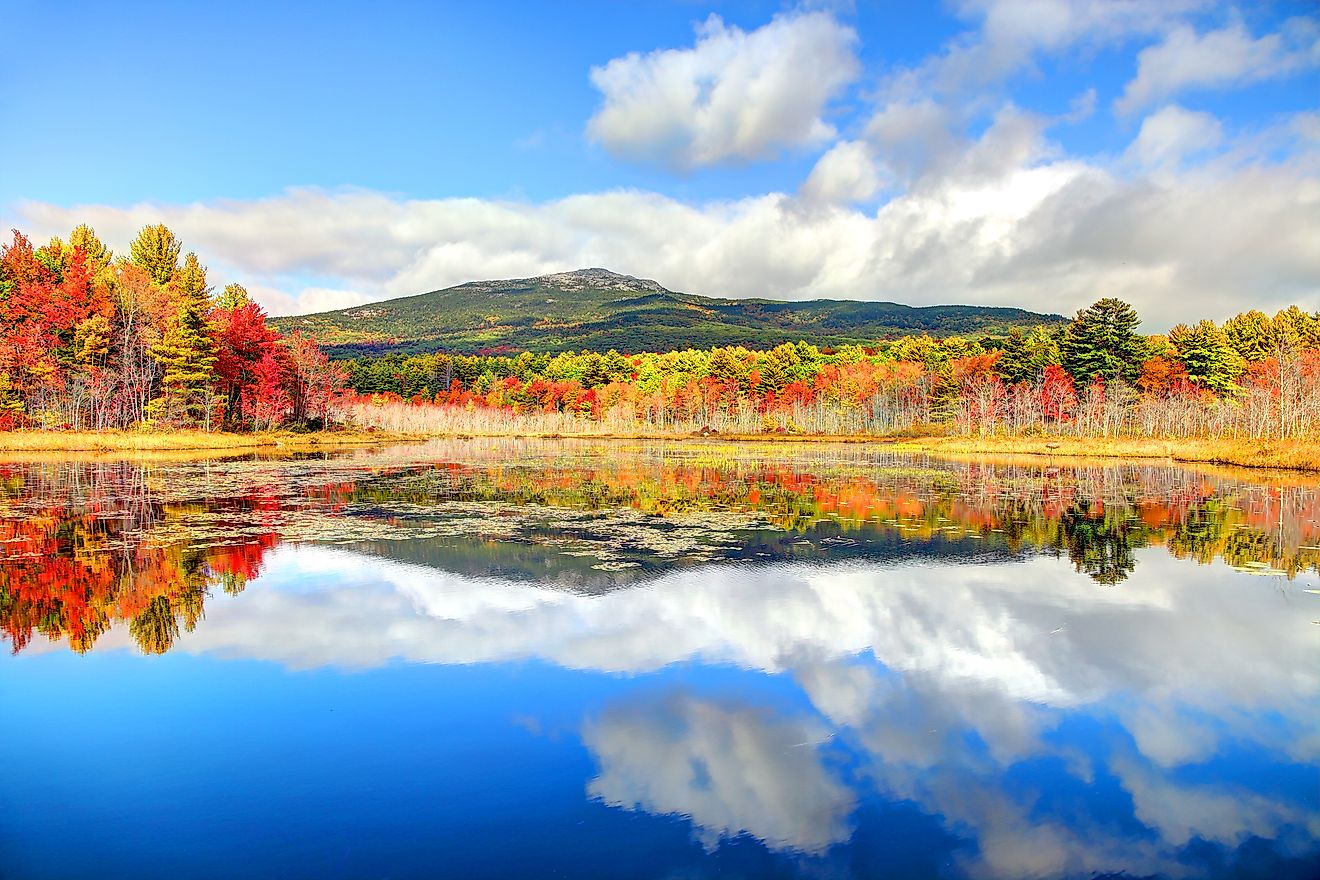
Japan is famous for its earthquakes. The tallest mountain in Japan is Mount Fuji, reaching 12,388 feet (3,776 meters). It is situated near the coast in Yamanashi and Shizuoka prefectures, about 60 miles (100 km) from the Tokyo-Yokohama metropolitan area. Mount Fuji last erupted in 1707, and scientists still consider it active. If it erupts again, it could displace over 750,000 people due to its proximity to the city. Mount Fuji is part of the Fuji-Hakone-Izu National Park, designated as a UNESCO World Heritage Site in 2013.
Mount Rainier

This stunning mountain is part of the Cascade Range in Washington State, often serving as a scenic backdrop to Seattle on clear days. Its snow-covered peak is so iconic that it appears on postcards and placemats across the state. However, many overlook the fact that this is a dormant volcano that could erupt at any moment. Mount Rainier last erupted over 500 years ago but is considered the most dangerous volcano in the Cascade Range. This threat stems from several factors, including frequent earthquakes in the vicinity, its active hydrothermal system, its impressive height, and its vast glacier cover.
Mauna Kea

Hawaii is no stranger to volcanoes, and Mauna Kea is one of them. It is the tallest volcano on the island of Hawaii, which is made up of five volcanoes in total. Mauna Kea has not erupted for about 4,500 years, but volcanologists believe it has the potential to wake up again. Some 6,000 to 4,000 years ago, this volcano erupted about seven times, and based on its history, scientists think it has a recurrence interval of about 1,000 years. This makes it sound like Mauna Kea is well overdue to erupt, but experts say this simply indicates that eruptions will take place sporadically as time goes on.
Three Sisters

Located in Lane County, part of Oregon's Cascade Mountain Range, the Three Sisters volcano last erupted about 2,000 years ago. The Three Sisters are three aligned stratovolcanoes, consisting of the North Sister, Middle Sister, and South Sister. The peaks were not built at the same time and are composed of different kinds of rock. They caught the attention of the general public and volcanologists when it was discovered in the late 1990s that part of this cluster was uplifting. Field studies by the US Geological Survey showed uplift and gradual swelling from late 1997 to December 2005, with the swelling slowing from that point.
Are the Three Sisters going to lose their patience and erupt? We will have to wait and see.