7 Snake Infested State Parks In Pennsylvania
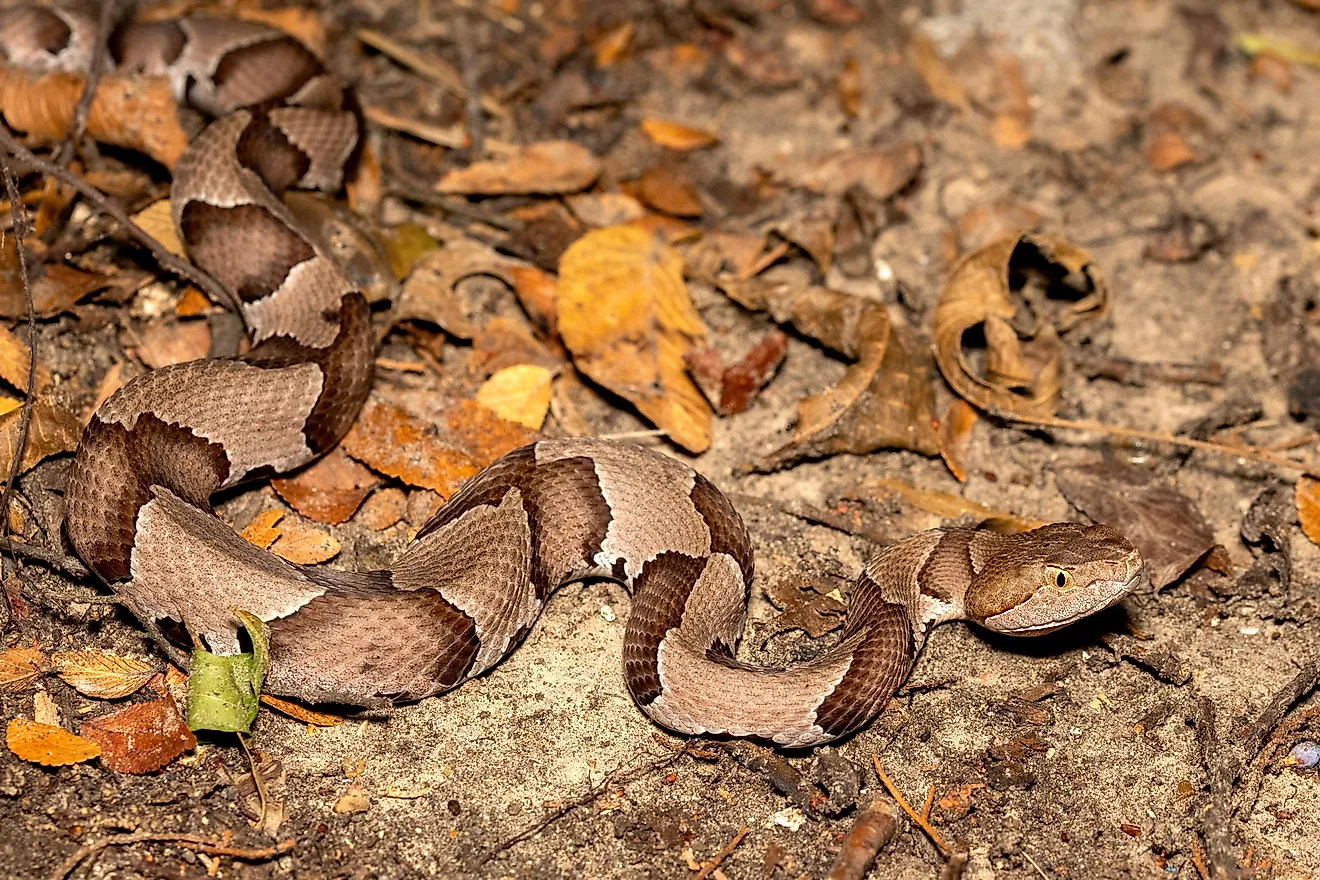
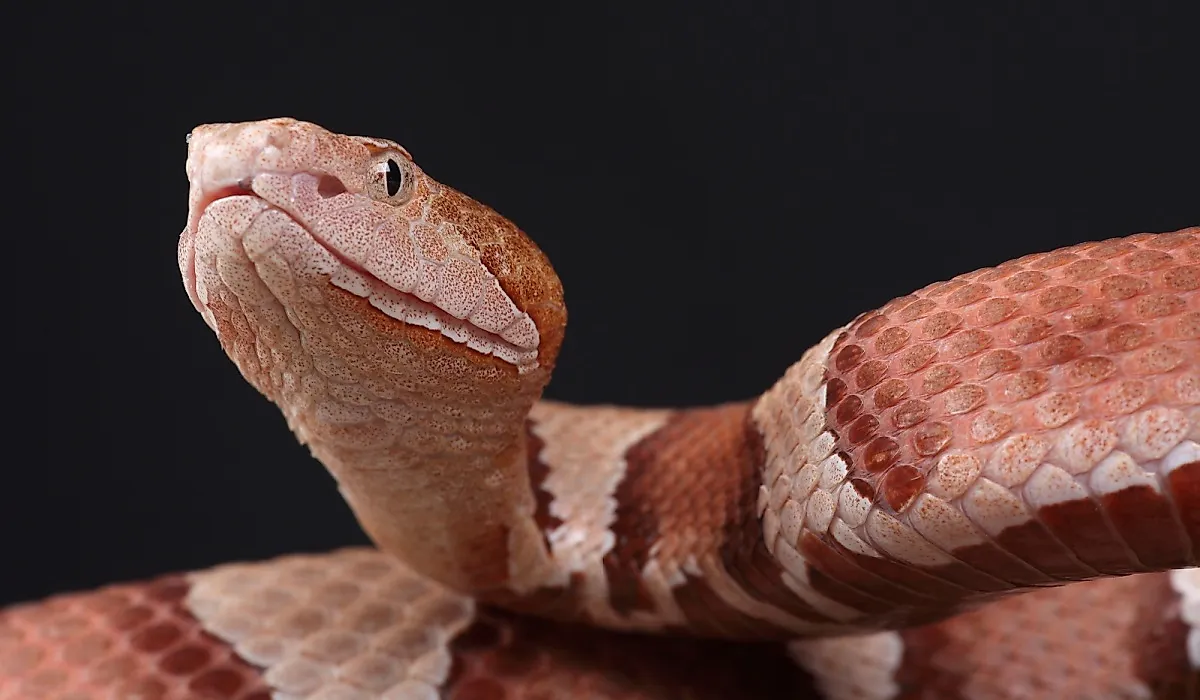
Pennsylvania’s Ridge and Valley regions and their scattered gorges create striking contrasts of sandstone cliffs, forested ridges, and river corridors, where geology shapes habitats and behaviors. Sun-warmed rock faces, talus slopes, and sunny ledges provide prime basking sites for reptiles, while riparian corridors and marshy shorelines support species adapted to aquatic prey. The landscape alternates between dense oak-hickory forest and open meadow edges, supplying shelter, food, and movement routes for a wide range of snakes, including localized populations of the timber rattlesnake and the eastern copperhead. Hikers and outdoor enthusiasts encounter waterfalls, expansive vistas, and serene shorelines while learning how seasonal changes and microhabitats influence where snakes are found. Awareness, respect for wildlife, and sensible trail practices keep both people and reptiles safe on the region’s trails and overlooks.
Ricketts Glen State Park

Ricketts Glen State Park features an extraordinary concentration of waterfalls that plunge through steep, forested ravines carved into sandstone and shale. Trails thread along narrow ledges and up to platforms at Ganoga Falls and other cascades, where damp rock and sunlit outcrops create alternating cool and warm microhabitats. Localized populations of the timber rattlesnake and the eastern copperhead occupy rocky ridges, talus slopes, and secure den sites within cliffline crevices, particularly where forest meets open rock. Nonvenomous species commonly encountered include the common garter snake, the eastern milk snake, and the northern water snake, each of which favors stream edges, leaf litter, or rock gaps for foraging and shelter.
Hikers descending the Falls Loop should wear sturdy footwear, step carefully on wet stone, and avoid placing their hands into crevices where snakes may rest. Park signage and rangers guide seasonal access and wildlife safety. Trails may be closed briefly to protect sensitive habitats or for maintenance purposes. Observing snakes from a distance and allowing animals room to move reduces stress on wildlife and lowers the risk of accidental encounters. The park’s mix of cliffs, cascades, and quiet pools creates a mosaic of habitats that supports remarkable reptile diversity amid dramatic waterfall scenery.
Ohiopyle State Park

Ohiopyle State Park centers on deep sandstone gorges and powerful river currents, where ledges and shorelines form a patchwork of sun-exposed rocks and shaded timber. The well-known Ohiopyle Falls and the Youghiogheny River corridor produce abundant edge habitat where localized populations of the timber rattlesnake and the eastern copperhead take advantage of warm, rocky slopes and refuge in rock litter and crevices. Nonvenomous species that frequent riverbanks and riffles include the northern water snake, the eastern garter snake, and the black rat snake, each commonly seen near pools, eddies, and riparian vegetation as they hunt amphibians, small fish, and rodents.
Trail users who plan river access should remain alert for snakes on shoreline ledges and in sunlit clearings, keep dogs on a short leash, and avoid lifting rocks or debris. Recreational offerings, such as whitewater rafting, cycling on converted rail trails, and riverside hiking, bring people close to the habitats that snakes rely upon. Preparation and caution support enjoyable, low-risk experiences along the gorge.
Worlds End State Park

Worlds End State Park occupies an S-shaped valley where the Loyalsock Creek cuts through resistant sandstone to form narrow gorges, high bluffs, and a mix of oak-hickory forest and open glade. The Worlds End Overlook presents dramatic views of ridge-and-valley topography, and the surrounding talus slopes and cliff edges supply ideal denning and basking sites for localized timber rattlesnake and eastern copperhead populations. Other snakes commonly recorded in the park include the smooth green snake, the eastern ribbon snake, and the eastern milk snake, each of which is associated with meadows, wetland margins, or rock-strewn edges where amphibian and rodent prey concentrate.
Hikers moving along creekside paths and higher ridge trails should remain on marked routes, avoid disturbing rock piles that provide cover, and give any encountered snake a clear escape route. Seasonal weather shifts drive snake activity, with warm mid- and late-summer days producing the highest likelihood of sightings near sunlit rock surfaces. Park materials explain how microhabitats within the gorge, such as south-facing bluffs and sheltered rock crevices, create thermal gradients that reptiles use to regulate body temperature and support critical life stages from hibernation to migration.
Hickory Run State Park

Hickory Run State Park contains expansive forest tracts, clear streams, and the notable Hickory Run Boulder Field, a sprawling assembly of angular stones left by glacial processes that forms a complex rock habitat for reptiles. Timber rattlesnakes and eastern copperheads appear in localized pockets on warm, south-facing ledges and among talus at the edges of the Boulder Field, where stable rock cavities supply hibernacula and shelter. Nonvenomous species observed in forest and streamside settings include the eastern garter snake, the black rat snake, and the northern water snake, each selecting microhabitats such as moist leaf litter, sunny clearings, or riparian banks for hunting and movement.
The uneven footing of the Boulder Field increases the risk of slips and falls. Snakes may use the interstitial spaces between rocks for concealment, so visitors should wear appropriate footwear and avoid reaching into gaps. The park’s signage describes its glacial history and the ecological role of rocky expanses as a refuge for reptiles, while trail maps identify safer routes for families and less-experienced hikers.
Leonard Harrison State Park

Perched on the rim of the Pine Creek Gorge, Leonard Harrison State Park overlooks dramatic canyon scenery and provides access points, such as the Turkey Path Overlook, that reveal steep walls and exposed ledges where geology shapes the habitat. Localized timber rattlesnake and eastern copperhead populations occur on sunlit ledges, rocky scree, and cliff cavities that provide denning space and safe corridors for seasonal movements. Nonvenomous species frequently seen near the gorge and along the Pine Creek Rail Trail include the northern water snake, the eastern rat snake, and the eastern milk snake, which utilize creekside vegetation, old stone features, and trail edges to hunt small mammals and amphibians.
Hikers descending to the rail trail or exploring overlook trails should be mindful of uneven rock, seasonal erosion, and limited shade at mid-day when snakes may thermoregulate on sun-warmed surfaces. Historic structures and interpretive exhibits along overlooks provide context for understanding both human and natural history, explaining how past land uses have influenced present-day habitats. Giving snakes space, checking under ledges before sitting, and following established trails minimize disturbance to sensitive den sites and help protect snakes that occupy the unique microhabitats of the canyon rim.
French Creek State Park

French Creek State Park spans a mosaic of lakes, marshes, and mature mixed hardwood forests where slow-moving streams and broad wetlands create abundant aquatic margins and meadow edges that sustain diverse snake communities. Localized timber rattlesnake and eastern copperhead populations are present where rocky outcrops and old stone walls border upland ridges, offering secure denning spots and sunlit basking areas. Other species commonly encountered here include the eastern garter snake, the northern water snake, and the smooth green snake, each associated respectively with meadow edge, shoreline, or damp grassy habitat where invertebrates and amphibians are plentiful.
Anglers, paddlers, and shoreline picnickers should check for snakes when stepping onto shore, avoid handling wild animals, and keep a close eye on dogs near reed beds where snakes often forage. The park’s trail network and educational programs highlight the connection between wetland preservation and herpetofaunal diversity, and habitat restoration projects support the long-term viability of both aquatic and terrestrial species. Observing snakes from a respectful distance reduces negative encounters and supports the park’s role as habitat for a wide array of reptiles and amphibians.
Bald Eagle State Park

Bald Eagle State Park centers on a large reservoir and surrounding forested ridges where shorelines, retired quarry faces, and exposed rock outcrops provide a patchwork of reptile-friendly habitats. Timber rattlesnake and eastern copperhead populations persist in localized sections where rocky crests and talus slopes offer secure den sites and sunlit platforms for basking. Nonvenomous species that frequent lake margins and nearby streams include the black rat snake, the eastern garter snake, and the northern water snake, each of which is often seen foraging along riparian edges, submerged logs, and brush piles.
Recreational amenities, such as the Bald Eagle State Park Marina and numerous boat launches, bring anglers and paddlers into proximity with shoreline microhabitats. Visitors should inspect landing zones and avoid stepping into thick shoreline vegetation without first looking. Respectful observation, keeping pets under control, and providing snakes with an unobstructed escape route reduce the potential for conflict while supporting the persistence of reptile populations that depend on a mix of aquatic and rocky habitats surrounding the reservoir.
Explore Pennsylvania’s Ridge and Valley Trails
Pennsylvania’s state parks illustrate how its Ridge and Valley province and its adjoining gorge and lake systems support both venomous and nonvenomous snakes, with timber rattlesnakes and eastern copperheads occurring in localized habitats where ridge, rock, and sun exposure meet forest. The Pennsylvania Department of Conservation and Natural Resources and the agencies responsible for wildlife management offer guidance on coexisting with snakes, legal protections, and seasonal activity patterns. Visitors who prepare by reviewing official park advisories, carrying appropriate footwear, and maintaining awareness of surroundings will enjoy waterfalls, overlooks, and quiet shorelines while minimizing conflict with native reptiles. Observing snakes from a safe distance preserves visitor safety and the long-term survival of these species in Pennsylvania’s wild places.