7 Snake Infested State Parks In Kansas
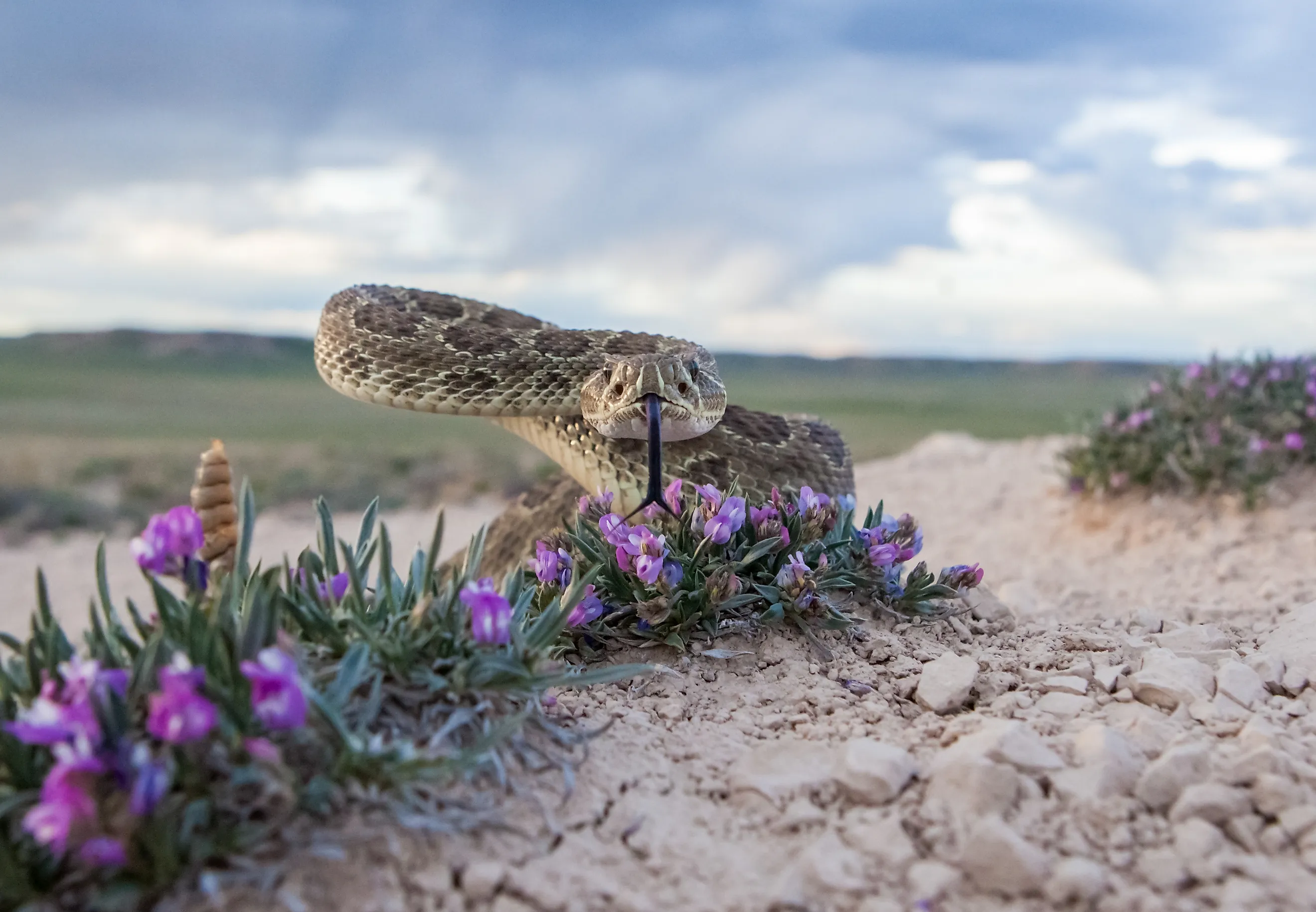
Kansas holds a surprising variety of landscapes, from shortgrass prairie on the High Plains to the rugged breaks and sandstone canyons of the Smoky Hills, and each environment supports a distinct set of reptiles. Many of the state’s parks showcase prairie ecosystems, rocky outcrops, and reservoir shorelines that create suitable habitat for snakes, including the prairie rattlesnake.
Below, we examine what makes each park hospitable to snakes, highlight specific landmarks, and describe the landforms and vegetation that shape wildlife behavior, such as shortgrass prairie and sun-exposed breaks that concentrate cover and prey. Whether visitors plan a spring hike, a warm-weather camping trip, or a late summer shoreline walk, the following profiles provide context for understanding where snakes are most likely to be encountered in Kansas public lands.
Kanopolis State Park

Kanopolis State Park spreads across the Smoky Hills, with sandstone bluffs, winding canyons, and the large body of water known as Kanopolis Lake. These varied environments support abundant small mammals, birds, and reptiles. The park’s rugged pockets of sun-warmed rock and shallow grassland edges attract snakes that hunt rodents and amphibians, especially during warm afternoons and early evenings. Horsethief Canyon offers layered cliffs and rocky ledges where snakes may bask or take refuge in cracks. Trails that pass through mixed grass and scattered cedar and cottonwood stands create a mosaic of open exposure and sheltered cover, conditions that favor ambush predators and species adapted to the Great Plains.

Visitors hiking the park’s longer loops should keep to the middle of clear paths, watch their step when moving over talus or into rock shelters, and give any snake ample distance. The park’s combination of water, prairie margins, and stone ledges helps explain why reptiles remain a visible part of the Kanopolis fauna.
Lake Scott State Park

Historic Lake Scott State Park sits amid shortgrass prairie uplands and rocky buttes that rise above the reservoir, offering a blend of open grassland and sheltering rock outcrops. The park’s shallow coves and reed-lined edges attract frogs and small fish, which in turn support a diversity of snake species. The shortgrass prairie surrounding the lake produces low, dense swards of buffalo grass and blue grama. These grasses concentrate small mammals such as voles and mice, reliable prey for snakes that hunt by day or night. Near the park’s buttes and along trails that climb to viewpoints, warm, exposed rocks serve as prime basking sites.

The combination of sparse tree cover and sheltered rock fissures creates daytime microhabitats for sun-loving snakes and cooler retreats for nocturnal species. Creekside cottonwoods and shaded riparian pockets add structural diversity, and early morning visits often reveal snakes moving from shelter to feeding areas. Observing from a respectful distance and using binoculars allows close views without approaching.
Mushroom Rock State Park

The tiny but memorable Mushroom Rock State Park preserves unusual pedestal sandstone formations that are remnants of the Dakota Formation. The park’s bare, exposed rocks and adjacent prairie patches support a surprising range of reptile life. The mushroom-shaped concretions create vertical relief that warms quickly in sunlight, producing effective basking platforms for snakes. Below and between the rock pedestals, shallow pockets of soil sustain shortgrass species and forbs that feed insects and small mammals. The local topography produces steady diurnal temperature variation. Reptiles often move from a sunny cap rock to shaded talus within minutes, a behavior that makes them easier to observe for patient visitors.

Interpretive signs describe the underlying geology and age of the formations. Those same rocks form the small-scale landscape that rattlesnakes and other snakes use for thermoregulation and refuge. Because the area is compact and the geology is fragile, visitors are encouraged to stay on established paths, avoid climbing on delicate formations, and watch the ground carefully when exploring grass margins.
Cedar Bluff State Park

Across western Kansas, Cedar Bluff State Park occupies high bluffs above the reservoir, where broken rock, shrub-dotted ridges, and steppe-like grasslands converge. The bluffs form a network of fissures and ledges that provide sunning spots and cooler refuges for snakes. Adjacent shortgrass ties the bluff systems into the broader High Plains landscape. Where shoreline vegetation meets rocky slopes, prey encounters increase, and snakes often patrol these edges during cooler parts of the day.

Anglers and shoreline walkers may notice that rocky points and shallow flats warm quickly, drawing both waterfowl and their predators. The park’s range of terrain, from open water to cliff-edge grasses, creates many microhabitats within compact areas. This variety helps explain why reptile diversity persists in the region. When hiking bluff-top trails, staying on marked routes and avoiding thick grass near cliff edges helps reduce disturbance to snakes and other wildlife.
Tuttle Creek State Park

Tuttle Creek State Park spans several units around Tuttle Creek Lake. Its mix of reservoir shoreline, wooded coves, and limestone outcrops creates a connected habitat where snakes thrive. Along the lake edge, rocky shoals and marshy pockets support amphibians in summer, and those populations attract snake predators. In upland areas, prairie remnants and scattered oak and hickory patches provide cover and foraging ground for snakes that use both open sun and shaded retreats.

The Rocky Ford and River Pond units place visitors near the transition between open prairie and woodland. Snakes often use this ecotone as a hunting ground. Naturalist reports indicate that many reptiles shift activity patterns with the seasons, using shallow rocks to warm in spring and moving into denser vegetation in midsummer. Camping guests are advised to check gear before use and remain aware of their surroundings to reduce accidental encounters.
Clinton State Park

Clinton State Park sits along Clinton Reservoir and features rolling hills, tree-lined coves, and long stretches of shoreline where grassland meets water. These shoreline transition zones concentrate small mammals and ground-nesting birds, and snakes take advantage of the steady supply of prey. Wind-swept bluffs and low ridges warm quickly in sunlight, creating frequent basking opportunities for reptiles. Riparian corridors provide shaded travel routes and humidity that benefit some species during hot months.

Kayakers and shoreline anglers often report sightings of nonvenomous water snakes near shallow coves. More secretive prairie-adapted species use grass margins and fence lines. Park staff emphasize responsible wildlife viewing, including staying on marked trails, leaving rocks in place, and observing from a distance. The range of microhabitats, from open grass to shaded riparian woodland, explains why the park remains important for snakes in northeastern Kansas.
Cheney State Park

Cheney State Park sits on the shores of Cheney Reservoir, where rolling grasslands meet wooded coves and a long shoreline. The reservoir creates a patchwork of exposed banks, shallow flats, and vegetated margins. Snakes use each zone seasonally as prey availability and water levels change. Trails cross upland prairie and descend into bottomlands where cottonwoods and willows form cooler corridors, allowing snakes to move between feeding and hiding places.

The surrounding area includes agricultural fields and remnant prairie. Where cultivated land meets natural cover, mice and voles are often abundant, supporting local snake populations. Early mornings and late afternoons near the reservoir frequently yield reptile sightings. Park guidance asks visitors to respect wildlife, keep pets leashed, and avoid handling animals. Sightings at Cheney reflect patterns seen across Kansas, with open, warm surfaces for basking and nearby shade or crevices for retreat.
Reading the Landscape and Coexisting With Kansas Snakes
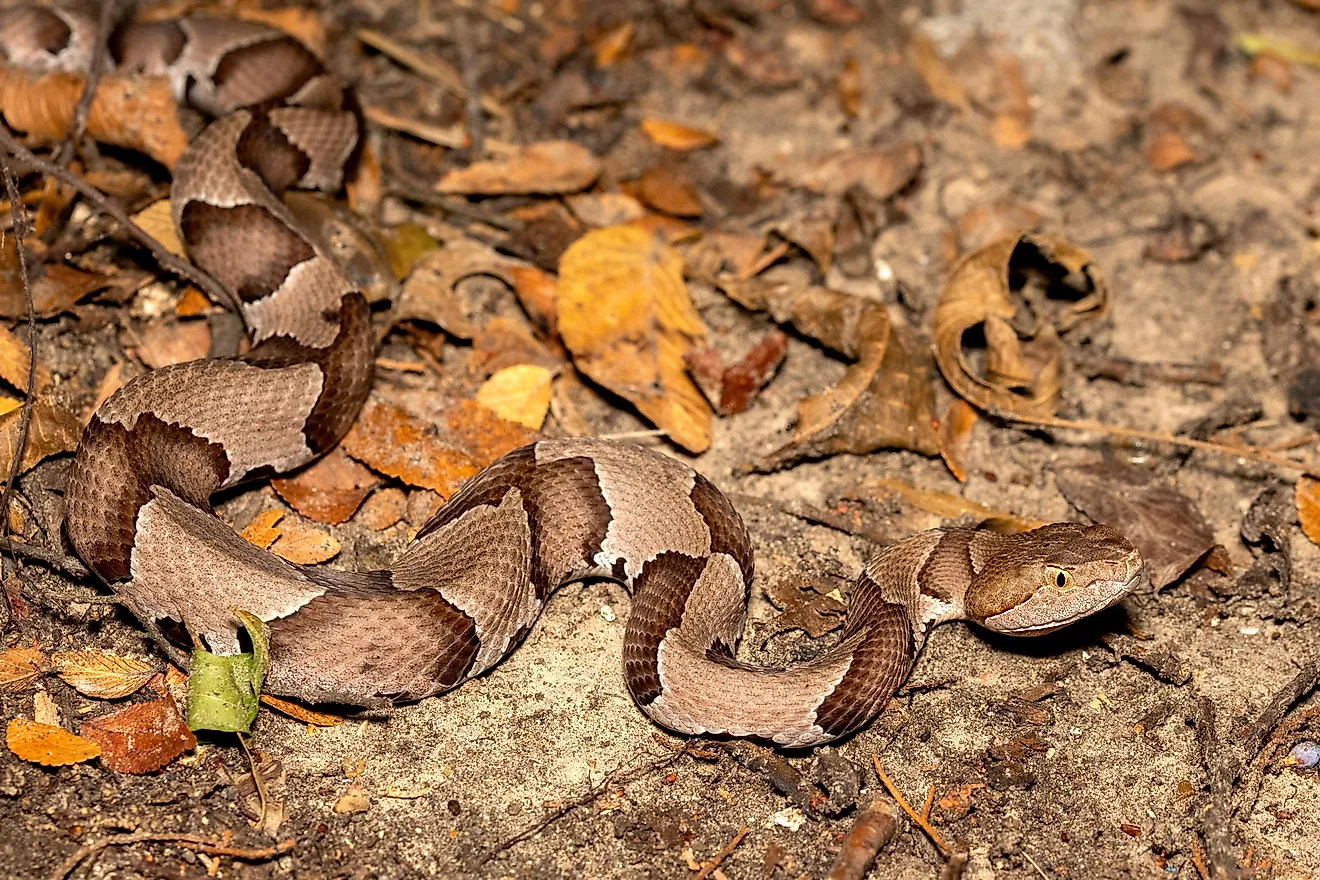
Rattlesnakes and other native snakes are part of Kansas’s natural landscape, particularly where shortgrass prairie, rocky breaks, and outcrops meet water and woodland. Learning to read the terrain helps reduce conflict. Sunlit rocks and edge habitats are most active during warm months. Wearing sturdy boots on rocky trails and giving snakes room to retreat lowers the risk of encounters. Many parks provide educational resources and ranger guidance on seasonal wildlife activity. With respectful observation, binoculars, and patience, visitors can better understand prairie ecosystems while minimizing disturbance.